Strabismus Treatment
What Is Strabismus?
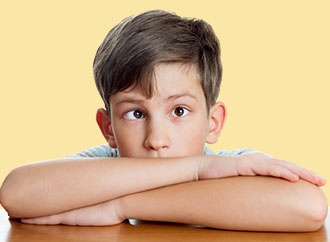
Strabismus is a condition in which the two eyes do not look in the same direction. While one eye looks straight ahead, the other may turn inward, outward, upward, or downward. Some patients with strabismus may be able to align both eyes by adopting unusual head positions, such as tilting the head to one side. In some cases, strabismus may first be noticed because of these abnormal head postures.
Who Can Develop Strabismus?
Although strabismus is most commonly seen in children, it can also occur later in life. It is present in about 5% of children and 1% of adults, and it affects both sexes equally. Except for some rare types, it does not usually show a clear hereditary pattern.
Do Our Two Eyes Work Together?
Vision is primarily a process that occurs in the brain. The eye is a sensory organ. The image formed by retinal stimulation is transmitted via the optic nerve and visual pathways to the visual cortex in the brain.
In addition to this sensory system, there is a motor system (the extraocular muscles) that turns both eyes toward the same target and ensures that the same image is formed on both retinas. Normally, both eyes look at the same point. The brain merges the two images (fusion), allowing three-dimensional vision (stereopsis). In short, this coordination is achieved through the eye movement centers in the brain and the six extraocular muscles around each eye.
When one eye deviates, the brain receives two very different images. In response, the image from the deviating eye may be ignored (leading to amblyopia) or suppressed (suppression). The brain then accepts only the image from the eye that is looking straight ahead. If this occurs in childhood, it can cause serious problems such as lack of depth perception and reduced vision in the deviating eye (lazy eye = amblyopia).
In adults, when strabismus develops later in life, the brain typically does not suppress one image as it does in children; instead, it accepts both images and double vision (diplopia) occurs.
What Causes Strabismus?
The exact cause is not always known. In some families, a genetic tendency may be present. Strabismus may occur due to refractive errors (need for glasses), or may result from congenital brain damage, Down syndrome, brain tumors, cataract reducing vision, eye injuries, or eye tumors.
If strabismus is newly developing in an adult who did not have it previously, conditions such as diabetes, multiple sclerosis, thyroid disease, myasthenia gravis, and other central nervous system disorders should be investigated.
What Are the Symptoms of Strabismus?
Eyes not looking in the same direction
Loss of three-dimensional vision
Blurred vision
Head or face turning to one side
Tearing
Eye pain
Headache
Double vision
In addition, especially in bright sunlight, the person may tilt the head or turn the face to one side to use one eye or both eyes more effectively.
It is very important that all children are examined by an eye doctor within the first 3 years of life for proper visual development. If there is a family history of strabismus or amblyopia, the exam should be done before age 3.
In adults with strabismus present since childhood, the main issue is often cosmetic unless treatment was inadequate—then reduced vision due to amblyopia may exist. If strabismus develops later in adulthood, the most common symptom is double vision. Some adults may also experience eye pain, headache, or a persistent head tilt.
Frequently Asked Questions
What Causes Strabismus?
Strabismus occurs when the balance between the eye muscles is disrupted. It may be congenital or develop in childhood due to refractive errors—especially hyperopia. Genetic predisposition, abnormalities in nerve–muscle control, trauma, cataract, or retinal diseases may also cause strabismus. In rare cases, it can be an early sign of neurological disease. Therefore, every case should be evaluated with a detailed eye examination.
Does Strabismus Go Away on Its Own?
No. Strabismus usually does not resolve spontaneously. If not detected early, it can lead to permanent vision loss—especially amblyopia in children. It should be assessed by an ophthalmologist and treated appropriately.
At What Age Is Strabismus Noticed in Children?
Strabismus can be present from birth, but it is most commonly noticed between the first 6 months and 3 years. Children with a family history should be observed carefully. If signs appear, an eye doctor should be consulted without delay.
Can Strabismus Develop Later in Adults?
Yes. Adult-onset strabismus may occur due to trauma, nerve palsy, diabetes, hypertension, or neurological conditions affecting the brain. Sudden-onset double vision is an important warning sign.
Does Strabismus Surgery Provide a Permanent Solution?
Strabismus surgery can offer a permanent correction by rebalancing the eye muscles. However, in some cases, a second operation or supportive treatments (e.g., prism glasses) may be needed. Success depends on the type of strabismus and the patient’s age.
Can Strabismus Be Corrected with Glasses?
In some types of strabismus—especially those related to refractive error—glasses alone may be sufficient. For inward deviation (esotropia) caused by hyperopia, glasses can be very effective. However, glasses may not be enough for every type of strabismus.
What Happens If Strabismus Is Not Treated?
Untreated strabismus can lead to amblyopia and loss of depth perception in children, and persistent double vision in adults. Social and psychological impacts should also not be overlooked.
Is Strabismus Only a Cosmetic Issue or a Medical Condition?
It is both. Misalignment affects appearance, but it can also cause significant functional visual problems. Therefore, it requires medical evaluation and treatment.
Can Strabismus Be Corrected with Exercises?
Not every type of strabismus improves with exercises. However, in certain cases (e.g., convergence insufficiency), orthoptic exercises may be beneficial. The appropriate treatment should be determined by an ophthalmologist.
What Is Pseudostrabismus in Babies?
Pseudostrabismus is when the eyes are actually aligned, but the baby’s wide nasal bridge or eyelid structure makes it appear as if there is eye deviation. It is not true strabismus and often improves as facial features develop. A medical examination is necessary to distinguish it. Treatment is not required, but regular follow-up is important.
At What Age Can Strabismus Surgery Be Performed?
The appropriate age depends on the type and severity of strabismus.
Prepared by the Dünyagöz Hospital Editorial Board.
Last Updated: 10.06.2025
*This content is for informational purposes only. Please consult your physician for diagnosis and treatment.
Strabismus is a condition in which the two eyes do not look in the same direction. While one eye looks straight ahead, the other may turn inward, outward, upward, or downward. Some patients with strabismus may be able to align both eyes by adopting unusual head positions, such as tilting the head to one side. In some cases, strabismus may first be noticed because of these abnormal head postures.
Who Can Develop Strabismus?
Although strabismus is most commonly seen in children, it can also occur later in life. It is present in about 5% of children and 1% of adults, and it affects both sexes equally. Except for some rare types, it does not usually show a clear hereditary pattern.
Do Our Two Eyes Work Together?
Vision is primarily a process that occurs in the brain. The eye is a sensory organ. The image formed by retinal stimulation is transmitted via the optic nerve and visual pathways to the visual cortex in the brain.
In addition to this sensory system, there is a motor system (the extraocular muscles) that turns both eyes toward the same target and ensures that the same image is formed on both retinas. Normally, both eyes look at the same point. The brain merges the two images (fusion), allowing three-dimensional vision (stereopsis). In short, this coordination is achieved through the eye movement centers in the brain and the six extraocular muscles around each eye.
When one eye deviates, the brain receives two very different images. In response, the image from the deviating eye may be ignored (leading to amblyopia) or suppressed (suppression). The brain then accepts only the image from the eye that is looking straight ahead. If this occurs in childhood, it can cause serious problems such as lack of depth perception and reduced vision in the deviating eye (lazy eye = amblyopia).
In adults, when strabismus develops later in life, the brain typically does not suppress one image as it does in children; instead, it accepts both images and double vision (diplopia) occurs.
What Causes Strabismus?
The exact cause is not always known. In some families, a genetic tendency may be present. Strabismus may occur due to refractive errors (need for glasses), or may result from congenital brain damage, Down syndrome, brain tumors, cataract reducing vision, eye injuries, or eye tumors.
If strabismus is newly developing in an adult who did not have it previously, conditions such as diabetes, multiple sclerosis, thyroid disease, myasthenia gravis, and other central nervous system disorders should be investigated.
What Are the Symptoms of Strabismus?
Eyes not looking in the same direction
Loss of three-dimensional vision
Blurred vision
Head or face turning to one side
Tearing
Eye pain
Headache
Double vision
In addition, especially in bright sunlight, the person may tilt the head or turn the face to one side to use one eye or both eyes more effectively.
It is very important that all children are examined by an eye doctor within the first 3 years of life for proper visual development. If there is a family history of strabismus or amblyopia, the exam should be done before age 3.
In adults with strabismus present since childhood, the main issue is often cosmetic unless treatment was inadequate—then reduced vision due to amblyopia may exist. If strabismus develops later in adulthood, the most common symptom is double vision. Some adults may also experience eye pain, headache, or a persistent head tilt.
Frequently Asked Questions
What Causes Strabismus?
Strabismus occurs when the balance between the eye muscles is disrupted. It may be congenital or develop in childhood due to refractive errors—especially hyperopia. Genetic predisposition, abnormalities in nerve–muscle control, trauma, cataract, or retinal diseases may also cause strabismus. In rare cases, it can be an early sign of neurological disease. Therefore, every case should be evaluated with a detailed eye examination.
Does Strabismus Go Away on Its Own?
No. Strabismus usually does not resolve spontaneously. If not detected early, it can lead to permanent vision loss—especially amblyopia in children. It should be assessed by an ophthalmologist and treated appropriately.
At What Age Is Strabismus Noticed in Children?
Strabismus can be present from birth, but it is most commonly noticed between the first 6 months and 3 years. Children with a family history should be observed carefully. If signs appear, an eye doctor should be consulted without delay.
Can Strabismus Develop Later in Adults?
Yes. Adult-onset strabismus may occur due to trauma, nerve palsy, diabetes, hypertension, or neurological conditions affecting the brain. Sudden-onset double vision is an important warning sign.
Does Strabismus Surgery Provide a Permanent Solution?
Strabismus surgery can offer a permanent correction by rebalancing the eye muscles. However, in some cases, a second operation or supportive treatments (e.g., prism glasses) may be needed. Success depends on the type of strabismus and the patient’s age.
Can Strabismus Be Corrected with Glasses?
In some types of strabismus—especially those related to refractive error—glasses alone may be sufficient. For inward deviation (esotropia) caused by hyperopia, glasses can be very effective. However, glasses may not be enough for every type of strabismus.
What Happens If Strabismus Is Not Treated?
Untreated strabismus can lead to amblyopia and loss of depth perception in children, and persistent double vision in adults. Social and psychological impacts should also not be overlooked.
Is Strabismus Only a Cosmetic Issue or a Medical Condition?
It is both. Misalignment affects appearance, but it can also cause significant functional visual problems. Therefore, it requires medical evaluation and treatment.
Can Strabismus Be Corrected with Exercises?
Not every type of strabismus improves with exercises. However, in certain cases (e.g., convergence insufficiency), orthoptic exercises may be beneficial. The appropriate treatment should be determined by an ophthalmologist.
What Is Pseudostrabismus in Babies?
Pseudostrabismus is when the eyes are actually aligned, but the baby’s wide nasal bridge or eyelid structure makes it appear as if there is eye deviation. It is not true strabismus and often improves as facial features develop. A medical examination is necessary to distinguish it. Treatment is not required, but regular follow-up is important.
At What Age Can Strabismus Surgery Be Performed?
The appropriate age depends on the type and severity of strabismus.
Prepared by the Dünyagöz Hospital Editorial Board.
Last Updated: 10.06.2025
*This content is for informational purposes only. Please consult your physician for diagnosis and treatment.
Доктори