Presbyopia Treatment
What Is Presbyopia (Near Vision Impairment)?
Presbyopia is the gradual loss of the eyes’ ability to see nearby objects clearly over time. In everyday terms, presbyopia is a near-vision problem. More precisely: when an object moves closer, the brain processes this stimulus and signals the eye. In the part of the eye called the ciliary body, muscles contract and relax, changing the tension of the fibers attached to the lens. This causes the lens to become more curved or thicker, increasing its focusing power. With age, the eye gradually loses this near-focusing ability. Although it has not been definitively proven, the most widely accepted explanation is the cellular aging theory—similar to how hair turns gray with age, the eye’s cells lose this accommodative function. Therefore, presbyopia can be considered a physiological aging process rather than a pathological disease.
How Does Presbyopia Develop?
Presbyopia begins as follows: the natural lens, which has about 10 diopters of refractive power for distance, gains approximately +3 diopters when looking at near objects thanks to the accommodation reflex—allowing us to focus up close. The lens is a structure that can change shape. When objects come closer, accommodation causes the lens to become more curved, enabling near focus.
At What Age Does Presbyopia Start?
Near-vision impairment typically begins in the 40s, as the natural lens loses elasticity and gradually loses its ability to focus at near distances. In individuals who see well at distance, the need for reading glasses is often around:
About +1.00 in the 40s
About +2.00 in the 50s
About +3.00 in the 60s
People with low myopia may not need to accommodate as much and can often see near objects without glasses.
What Are the Symptoms of Presbyopia?
Presbyopia develops gradually. Common symptoms include:
Difficulty reading small print
Needing to hold reading materials (books, magazines, menus, digital devices, labels, etc.) at arm’s length
Difficulty seeing nearby objects clearly
It may also cause eye strain and headaches, making near tasks less comfortable and more tiring.
How Is Presbyopia Treated?
Worldwide, one of the most commonly used surgical approaches for presbyopia is trifocal intraocular lens (IOL) implantation. Proper patient selection is essential. The patient must undergo a detailed eye examination and testing to determine suitability. Not every patient is an appropriate candidate for surgical presbyopia treatment.
Presbyopia Surgery
Presbyopia surgery is most commonly performed with trifocal lens treatment, which can correct near-vision impairment. When planning treatment, it is important to consider whether the patient prioritizes distance or near vision. Another key factor is pupil size. Because this procedure is essentially a lens surgery similar to cataract surgery, suitable patients may address both cataract (if present) and distance/near vision problems in the same session. Another option for near-vision correction is laser-based treatment.
When Does Presbyopia Begin?
Presbyopia typically becomes noticeable shortly after age 40 and is considered a normal part of aging.
Can Presbyopia Be Prevented from Progressing? What About Early Diagnosis?
There is no proven way to stop or prevent the progression of presbyopia. Treatment aims to restore vision similar to how the eye focuses during accommodation. This may be achieved with glasses or contact lenses. For a more definitive solution, if the eye is suitable, refractive surgery or intraocular lens procedures may be considered.
Frequently Asked Questions
Can Presbyopia Be Corrected with Laser?
Presbyopia is an age-related reduction in near-vision ability due to loss of lens flexibility. Traditional laser treatments cannot fully eliminate presbyopia, but specialized approaches such as PresbyLASIK and monovision laser may improve visual quality. In these methods, one eye is optimized for distance and the other for near vision. However, this is not suitable for everyone. Effectiveness depends on age, visual needs, and eye structure. Suitability must be assessed by an ophthalmologist.
At What Age Does Presbyopia Stop Progressing?
Presbyopia usually starts around age 40 and progresses as the lens continues to lose elasticity. In most individuals, this progression continues until about 60–65 years. After that, the lens has largely lost its flexibility, so progression slows or stops, although the need for visual correction remains.
Does Presbyopia Go Away?
Presbyopia is a natural age-related process and does not “fully heal” on its own. However, clear vision can be restored with options such as multifocal glasses, contact lenses, or premium (trifocal) lens surgery. Those seeking a long-term solution should be evaluated by an eye specialist for surgical options.
How Can I Tell If I Have Presbyopia?
It commonly presents with difficulty reading at near distance, needing to hold text farther away, eye fatigue, and headaches. If these symptoms begin after age 40, an ophthalmology evaluation is recommended.
How Can Presbyopia Be Treated Without Glasses?
Non-glasses options include contact lenses (multifocal or monovision), premium lens surgery (trifocal IOL), and specialized laser applications (e.g., PresbyLASIK). The treatment plan is individualized.
Does Presbyopia Affect Both Eyes?
Yes, presbyopia affects both eyes in a generally symmetric way, although symptoms may be noticed earlier or more strongly in one eye. Treatment is typically planned for both eyes.
Presbyopia Treatment Costs
To receive information about presbyopia treatment costs, you can click the link below and complete the form. Our patient representatives will contact you as soon as possible with detailed information.
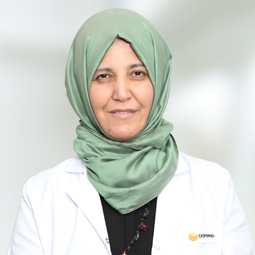
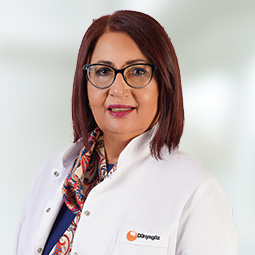
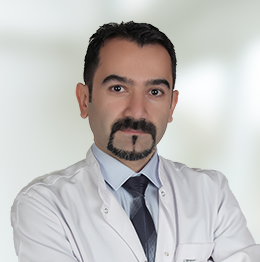
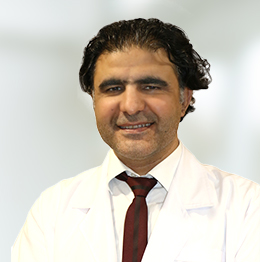
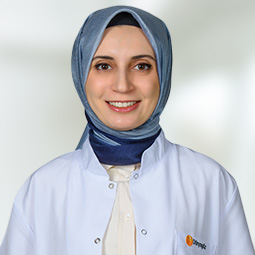
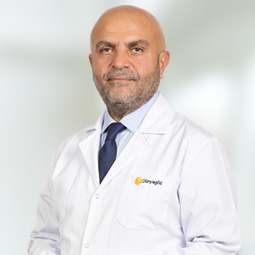
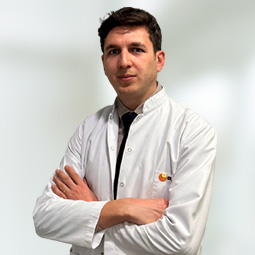
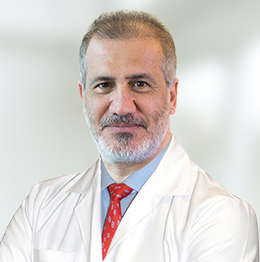
Prepared by the Dünyagöz Hospital Editorial Board.
*This content is for informational purposes only. Please consult your physician for diagnosis and treatment.
Last updated: 25.06.2025
Presbyopia is the gradual loss of the eyes’ ability to see nearby objects clearly over time. In everyday terms, presbyopia is a near-vision problem. More precisely: when an object moves closer, the brain processes this stimulus and signals the eye. In the part of the eye called the ciliary body, muscles contract and relax, changing the tension of the fibers attached to the lens. This causes the lens to become more curved or thicker, increasing its focusing power. With age, the eye gradually loses this near-focusing ability. Although it has not been definitively proven, the most widely accepted explanation is the cellular aging theory—similar to how hair turns gray with age, the eye’s cells lose this accommodative function. Therefore, presbyopia can be considered a physiological aging process rather than a pathological disease.
How Does Presbyopia Develop?
Presbyopia begins as follows: the natural lens, which has about 10 diopters of refractive power for distance, gains approximately +3 diopters when looking at near objects thanks to the accommodation reflex—allowing us to focus up close. The lens is a structure that can change shape. When objects come closer, accommodation causes the lens to become more curved, enabling near focus.
At What Age Does Presbyopia Start?
Near-vision impairment typically begins in the 40s, as the natural lens loses elasticity and gradually loses its ability to focus at near distances. In individuals who see well at distance, the need for reading glasses is often around:
About +1.00 in the 40s
About +2.00 in the 50s
About +3.00 in the 60s
People with low myopia may not need to accommodate as much and can often see near objects without glasses.
What Are the Symptoms of Presbyopia?
Presbyopia develops gradually. Common symptoms include:
Difficulty reading small print
Needing to hold reading materials (books, magazines, menus, digital devices, labels, etc.) at arm’s length
Difficulty seeing nearby objects clearly
It may also cause eye strain and headaches, making near tasks less comfortable and more tiring.
How Is Presbyopia Treated?
Worldwide, one of the most commonly used surgical approaches for presbyopia is trifocal intraocular lens (IOL) implantation. Proper patient selection is essential. The patient must undergo a detailed eye examination and testing to determine suitability. Not every patient is an appropriate candidate for surgical presbyopia treatment.
Presbyopia Surgery
Presbyopia surgery is most commonly performed with trifocal lens treatment, which can correct near-vision impairment. When planning treatment, it is important to consider whether the patient prioritizes distance or near vision. Another key factor is pupil size. Because this procedure is essentially a lens surgery similar to cataract surgery, suitable patients may address both cataract (if present) and distance/near vision problems in the same session. Another option for near-vision correction is laser-based treatment.
When Does Presbyopia Begin?
Presbyopia typically becomes noticeable shortly after age 40 and is considered a normal part of aging.
Can Presbyopia Be Prevented from Progressing? What About Early Diagnosis?
There is no proven way to stop or prevent the progression of presbyopia. Treatment aims to restore vision similar to how the eye focuses during accommodation. This may be achieved with glasses or contact lenses. For a more definitive solution, if the eye is suitable, refractive surgery or intraocular lens procedures may be considered.
Frequently Asked Questions
Can Presbyopia Be Corrected with Laser?
Presbyopia is an age-related reduction in near-vision ability due to loss of lens flexibility. Traditional laser treatments cannot fully eliminate presbyopia, but specialized approaches such as PresbyLASIK and monovision laser may improve visual quality. In these methods, one eye is optimized for distance and the other for near vision. However, this is not suitable for everyone. Effectiveness depends on age, visual needs, and eye structure. Suitability must be assessed by an ophthalmologist.
At What Age Does Presbyopia Stop Progressing?
Presbyopia usually starts around age 40 and progresses as the lens continues to lose elasticity. In most individuals, this progression continues until about 60–65 years. After that, the lens has largely lost its flexibility, so progression slows or stops, although the need for visual correction remains.
Does Presbyopia Go Away?
Presbyopia is a natural age-related process and does not “fully heal” on its own. However, clear vision can be restored with options such as multifocal glasses, contact lenses, or premium (trifocal) lens surgery. Those seeking a long-term solution should be evaluated by an eye specialist for surgical options.
How Can I Tell If I Have Presbyopia?
It commonly presents with difficulty reading at near distance, needing to hold text farther away, eye fatigue, and headaches. If these symptoms begin after age 40, an ophthalmology evaluation is recommended.
How Can Presbyopia Be Treated Without Glasses?
Non-glasses options include contact lenses (multifocal or monovision), premium lens surgery (trifocal IOL), and specialized laser applications (e.g., PresbyLASIK). The treatment plan is individualized.
Does Presbyopia Affect Both Eyes?
Yes, presbyopia affects both eyes in a generally symmetric way, although symptoms may be noticed earlier or more strongly in one eye. Treatment is typically planned for both eyes.
Presbyopia Treatment Costs
To receive information about presbyopia treatment costs, you can click the link below and complete the form. Our patient representatives will contact you as soon as possible with detailed information.
Prepared by the Dünyagöz Hospital Editorial Board.
*This content is for informational purposes only. Please consult your physician for diagnosis and treatment.
Last updated: 25.06.2025
Доктори