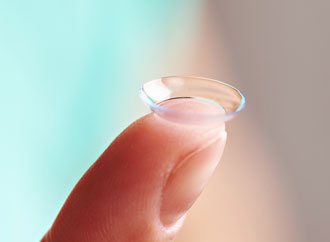
Contact Lens
What Is a Contact Lens?
Contact lenses are lenses worn on the eyes by people who want to live without glasses or who wish to have colored eyes. In some cases, they may also be used in the treatment of certain corneal diseases.
Contact lenses have evolved from blown-glass lenses that fully covered the pupil in the 1800s to today’s ultra-thin plastic corneal lenses. Modern lenses are available in many types and materials, offering a wide range of usage options.
To choose a contact lens that suits the eye, an eye examination is performed by an ophthalmologist. During the exam, the appropriate lens type, prescription power, base curve, and diameter are determined. To evaluate fit, a trial lens is applied (either the exact power or the closest possible diopter), and the lens movement, stability, and centration are assessed.
How Is the Right Contact Lens Selected?
Contact lenses are designed to sit on the cornea. They mainly stay in place by adhering to the tear film covering the front of the eye and, to some extent, by the pressure of the eyelids.
As you blink, the eyelid slides over the lens surface and causes slight movement. This movement allows tears to provide lubrication and helps wash away deposits.
If the lens is too tight: it barely moves. It may cause sensitivity. The user may feel comfortable at first, but visual sharpness may be poor, and long-term complications can occur.
If the lens is too loose: it moves excessively. The lower eyelid may feel the lens strongly. Vision may blur after blinking. The lens may decenter and the edges may fold.
What Should You Pay Attention to When Wearing Contact Lenses?
The lens should be well-centered and cover the cornea appropriately.
It should move slightly to allow tear circulation. In the push-up test and after blinking, it should show about 1 mm vertical movement.
The user should see clearly and comfortably and should not feel the lens.
Vision should not change after blinking.
The lens edge should not press on the eye.
Do not sleep with contact lenses. Do not enter the sea or pool while wearing them.
If redness or stinging occurs, remove the lens immediately and consult a doctor.
Contact Lens Features
Back surface: the part of the lens that touches the cornea.
Front surface: the part that does not touch the cornea; shaped to refract light appropriately to correct refractive error.
Base curve: for comfort, the curvature of the lens back surface should be compatible with the corneal curvature. The base curve is the radius of the optical zone on the back surface and is one of the most important fitting parameters.
If the lens is too tight, the base curve should be increased.
If the lens is too loose, the base curve should be decreased.
A larger base curve is flatter (FLAT); a smaller base curve is steeper (STEEP).
Diameter: the millimeter measurement from one outer edge to the other across the center of the lens. Diameter affects lens fit.
Soft lenses are typically 13.5–14.5 mm
Rigid lenses are typically around 7 mm
Frequently Asked Questions
Does Wearing Contact Lenses Hurt?
With the correct prescription and proper lens hygiene, contact lens use is generally not painful. Because lenses are made from materials compatible with the cornea, they typically do not cause pain. Proper hygiene, correct insertion/removal, and choosing lenses appropriate for the eye are essential. Incorrect use may lead to stinging, redness, and other complications.
What Is the Difference Between Contact Lenses and Regular Lenses (Glasses)?
Contact lenses sit directly on the cornea and provide a wider field of view. Glasses are mounted in a frame and sit at a distance from the eyes. Contact lenses are less noticeable cosmetically, while glasses can be more practical in terms of use and maintenance.
How Long Can Contact Lenses Stay in the Eye?
Wearing time depends on lens type and the eye specialist’s recommendations. For daily soft lenses, typical use is 8–12 hours. Exceeding this can reduce corneal oxygenation and increase dryness, redness, and infection risk. Some special lenses are designed for extended or overnight wear, but usage should be determined through regular eye doctor follow-up because eye structure varies among individuals.
Who Are Contact Lenses Suitable For?
Contact lenses can be safely used—when the eye structure is appropriate—to correct myopia, hyperopia, astigmatism, and presbyopia. They are also ideal for people with an active lifestyle, those who prefer not to wear glasses, or those with aesthetic concerns. Key suitability factors include a healthy ocular surface, adequate tear production, and the ability to follow hygiene rules. Suitability must be evaluated by an ophthalmologist through a detailed exam.
How Long Can Colored Lenses Be Worn?
Although colored lenses are often used cosmetically, they have a defined safe wearing time like medical lenses. Recommended daily use is usually limited to 6–8 hours. Longer wear can reduce corneal oxygenation and increase dryness and infection risk. Colored lenses should be used according to hygiene rules, disinfected daily, and removed before sleeping. For safest use, consult an eye doctor.
What Happens If You Sleep One Night with Contact Lenses?
Sleeping overnight in daily-use lenses can reduce corneal oxygenation and put eye health at risk. It may cause redness, stinging, dryness, blurred vision, and infection. Serious complications such as microbial keratitis can lead to permanent vision loss if not treated. If you accidentally sleep with lenses and feel discomfort in the morning, remove them immediately and consult an ophthalmologist. Overnight-wear lenses should only be used with medical advice.
Can You Wash Your Face While Wearing Contact Lenses?
It is generally not recommended. Microorganisms in tap water can enter between the lens and cornea and increase infection risk. Waterborne parasites such as Acanthamoeba (rare but serious) can cause severe eye infections. Avoid direct water contact while wearing lenses. If face washing is necessary, keep eyes tightly closed and minimize water exposure. The safest approach is to remove lenses before washing and reinsert them afterward with clean, dry hands.
Can You Shower with Contact Lenses?
No, showering with contact lenses is not recommended. Water and steam may affect the lens, and microorganisms in tap water can cause serious corneal infections. Lenses should be removed before showering and reinserted under sterile conditions afterward if needed.
*This content is for informational purposes only. Please consult your physician for diagnosis and treatment.
Prepared by the Dünyagöz Hospital Editorial Board.
Last Updated: 24.06.2025
Contact lenses are lenses worn on the eyes by people who want to live without glasses or who wish to have colored eyes. In some cases, they may also be used in the treatment of certain corneal diseases.
Contact lenses have evolved from blown-glass lenses that fully covered the pupil in the 1800s to today’s ultra-thin plastic corneal lenses. Modern lenses are available in many types and materials, offering a wide range of usage options.
To choose a contact lens that suits the eye, an eye examination is performed by an ophthalmologist. During the exam, the appropriate lens type, prescription power, base curve, and diameter are determined. To evaluate fit, a trial lens is applied (either the exact power or the closest possible diopter), and the lens movement, stability, and centration are assessed.
How Is the Right Contact Lens Selected?
Contact lenses are designed to sit on the cornea. They mainly stay in place by adhering to the tear film covering the front of the eye and, to some extent, by the pressure of the eyelids.
As you blink, the eyelid slides over the lens surface and causes slight movement. This movement allows tears to provide lubrication and helps wash away deposits.
If the lens is too tight: it barely moves. It may cause sensitivity. The user may feel comfortable at first, but visual sharpness may be poor, and long-term complications can occur.
If the lens is too loose: it moves excessively. The lower eyelid may feel the lens strongly. Vision may blur after blinking. The lens may decenter and the edges may fold.
What Should You Pay Attention to When Wearing Contact Lenses?
The lens should be well-centered and cover the cornea appropriately.
It should move slightly to allow tear circulation. In the push-up test and after blinking, it should show about 1 mm vertical movement.
The user should see clearly and comfortably and should not feel the lens.
Vision should not change after blinking.
The lens edge should not press on the eye.
Do not sleep with contact lenses. Do not enter the sea or pool while wearing them.
If redness or stinging occurs, remove the lens immediately and consult a doctor.
Contact Lens Features
Back surface: the part of the lens that touches the cornea.
Front surface: the part that does not touch the cornea; shaped to refract light appropriately to correct refractive error.
Base curve: for comfort, the curvature of the lens back surface should be compatible with the corneal curvature. The base curve is the radius of the optical zone on the back surface and is one of the most important fitting parameters.
If the lens is too tight, the base curve should be increased.
If the lens is too loose, the base curve should be decreased.
A larger base curve is flatter (FLAT); a smaller base curve is steeper (STEEP).
Diameter: the millimeter measurement from one outer edge to the other across the center of the lens. Diameter affects lens fit.
Soft lenses are typically 13.5–14.5 mm
Rigid lenses are typically around 7 mm
Frequently Asked Questions
Does Wearing Contact Lenses Hurt?
With the correct prescription and proper lens hygiene, contact lens use is generally not painful. Because lenses are made from materials compatible with the cornea, they typically do not cause pain. Proper hygiene, correct insertion/removal, and choosing lenses appropriate for the eye are essential. Incorrect use may lead to stinging, redness, and other complications.
What Is the Difference Between Contact Lenses and Regular Lenses (Glasses)?
Contact lenses sit directly on the cornea and provide a wider field of view. Glasses are mounted in a frame and sit at a distance from the eyes. Contact lenses are less noticeable cosmetically, while glasses can be more practical in terms of use and maintenance.
How Long Can Contact Lenses Stay in the Eye?
Wearing time depends on lens type and the eye specialist’s recommendations. For daily soft lenses, typical use is 8–12 hours. Exceeding this can reduce corneal oxygenation and increase dryness, redness, and infection risk. Some special lenses are designed for extended or overnight wear, but usage should be determined through regular eye doctor follow-up because eye structure varies among individuals.
Who Are Contact Lenses Suitable For?
Contact lenses can be safely used—when the eye structure is appropriate—to correct myopia, hyperopia, astigmatism, and presbyopia. They are also ideal for people with an active lifestyle, those who prefer not to wear glasses, or those with aesthetic concerns. Key suitability factors include a healthy ocular surface, adequate tear production, and the ability to follow hygiene rules. Suitability must be evaluated by an ophthalmologist through a detailed exam.
How Long Can Colored Lenses Be Worn?
Although colored lenses are often used cosmetically, they have a defined safe wearing time like medical lenses. Recommended daily use is usually limited to 6–8 hours. Longer wear can reduce corneal oxygenation and increase dryness and infection risk. Colored lenses should be used according to hygiene rules, disinfected daily, and removed before sleeping. For safest use, consult an eye doctor.
What Happens If You Sleep One Night with Contact Lenses?
Sleeping overnight in daily-use lenses can reduce corneal oxygenation and put eye health at risk. It may cause redness, stinging, dryness, blurred vision, and infection. Serious complications such as microbial keratitis can lead to permanent vision loss if not treated. If you accidentally sleep with lenses and feel discomfort in the morning, remove them immediately and consult an ophthalmologist. Overnight-wear lenses should only be used with medical advice.
Can You Wash Your Face While Wearing Contact Lenses?
It is generally not recommended. Microorganisms in tap water can enter between the lens and cornea and increase infection risk. Waterborne parasites such as Acanthamoeba (rare but serious) can cause severe eye infections. Avoid direct water contact while wearing lenses. If face washing is necessary, keep eyes tightly closed and minimize water exposure. The safest approach is to remove lenses before washing and reinsert them afterward with clean, dry hands.
Can You Shower with Contact Lenses?
No, showering with contact lenses is not recommended. Water and steam may affect the lens, and microorganisms in tap water can cause serious corneal infections. Lenses should be removed before showering and reinserted under sterile conditions afterward if needed.
*This content is for informational purposes only. Please consult your physician for diagnosis and treatment.
Prepared by the Dünyagöz Hospital Editorial Board.
Last Updated: 24.06.2025
Doktori